

Substrates Cultivation Technology for Vegetable Soilless Cultivation: Rockwool, Coco Coir, Perlite and More

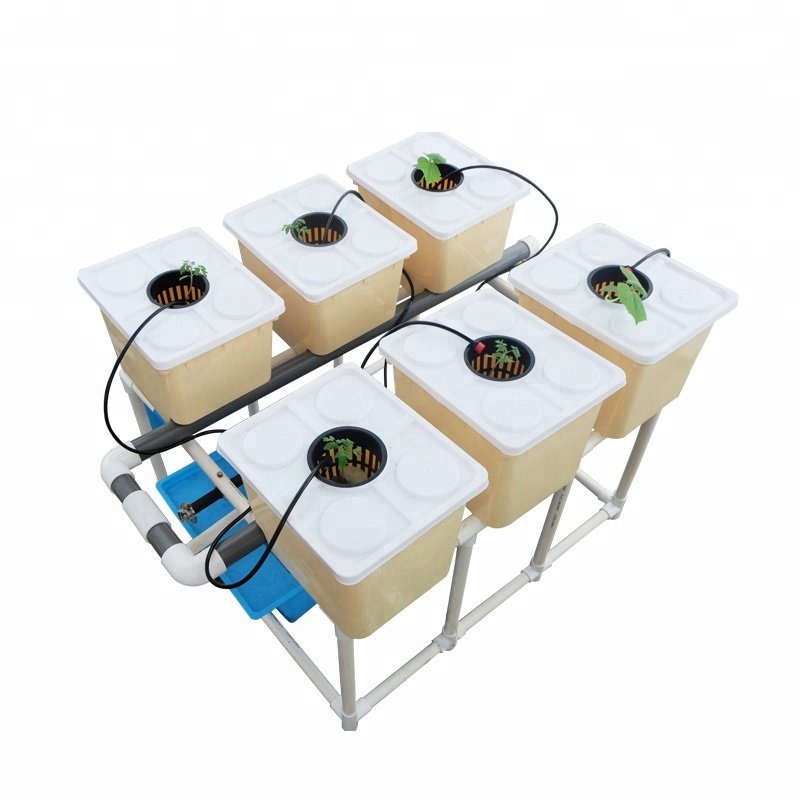
Substrate Cultivation Technology of Vegetables
Substrate cultivation, short for solid substrate cultivation, is a soilless vegetable cultivation method in which solid substrates are used to anchor plant roots. Through these substrates, roots absorb nutrient solution and oxygen efficiently to support healthy growth. Substrate Cultivation Technology plays a crucial role in modern soilless farming, allowing growers to control root zone conditions precisely.
With Substrate Cultivation Technology, vegetables can achieve faster growth, higher yields, and improved quality. This method also reduces soil-borne diseases and enhances resource efficiency. As a core part of controlled environment agriculture, Substrate Cultivation Technology supports large-scale production, commercial greenhouses, and advanced hydroponic systems. By selecting suitable substrates and applying proper management, Substrate Cultivation Technology ensures stable, sustainable, and efficient vegetable production. Today, Substrate Cultivation Technology is widely recognized as one of the most important innovations in modern horticulture.
I. Substrate Selection
Choosing the right substrate is a key factor in ensuring successful substrate-based vegetable cultivation.
A good substrate should have:
Proper structure
Excellent air permeability
Good water absorption and retention
Suitable buffering capacity
Appropriate electrical conductivity (EC) and pH
Free of impurities, pests, diseases, and odors
Low cost and easy preparation
1. Common Substrates in Soilless Cultivation
(1) Rockwool
Rockwool is produced by melting pyroxenite, basalt, and similar rocks at 1500–2000°C, then spinning them into fine fibers (0.5 mm).
Advantages:
Chemically stable; does not absorb nutrient ions
High porosity, strong water absorption
Excellent air permeability and water retention
Stable pH (slightly alkaline initially, neutral later)
Sterile, lightweight, and durable
Rockwool is typically used directly without mixing.
Before use, rinse new rockwool with clean water to lower pH.
(2) Sand Grains
Sand grains are affordable, widely available, and offer good air permeability but poor water retention.
Recommended particle size: 0.6–2.0 mm
Too coarse → poor water retention
Too fine → poor aeration, risk of waterlogging and root rot
River sand is commonly used.
(3) Perlite
Created by heating siliceous volcanic rock at 1200°C, perlite offers:
Lightweight structure
Excellent drainage and aeration
Stable physical and chemical properties
However, it has poor water and nutrient retention and weak root fixation.
It is usually mixed with peat, vermiculite, or sand, not used alone.
(4) Vermiculite
Vermiculite expands 15× after heating at 1000°C.
Advantages:
Low bulk density, high porosity
Good water retention and aeration
Neutral to slightly acidic
Contains potassium, calcium, magnesium
Strong buffering and ion exchange capacity
Recommended particle size: > 3 mm
Because it crushes easily, it is unsuitable for long-term cultivation.
(5) Expanded Clay
Made by firing clay at 800–1100°C.
Pros:
Hard, durable, not easily crushed
Many tiny pores → good aeration and water retention
Cons:
Salt accumulation may clog pores over time
Pathogens may accumulate inside particles with long-term use
(6) Foam Plastic (Polystyrene)
Commonly used as a drainage layer at the bottom of cultivation beds.
Features:
Excellent drainage
Lightweight and inexpensive
Often sourced from leftover packaging foam
(7) Peat
A natural organic resource formed from moss and aquatic plants in wetlands.
Advantages:
High organic matter and humic acid content
Loose, porous structure
Excellent air and water permeability
Strong nutrient retention
Sterile and stable properties
Peat is often mixed with vermiculite, perlite, or sand to improve substrate structure.
It is widely regarded as the best substrate for factory seedling production.
(8) Coconut Coir
A natural product from coconut husk fiber processing.
Advantages:
Excellent water retention and aeration
Free of pests, diseases, and weeds
Slow decomposition → long service life
It is a very popular substrate for vegetable cultivation.
(9) Rice Hull Ash
Produced from carbonized rice hulls.
Pros: rich in minerals, low cost, excellent aeration
Cons: poor water retention due to low pore volume
(10) Sawdust
A by-product of wood processing.
Features:
Lightweight
Strong water absorption and retention
Contains some nutrients
It is usually mixed with other substrates to improve performance.
Other Usable Substrates
Additional materials for vegetable soilless cultivation include:
Furnace slag
Building blocks
Volcanic ash
Bagasse
Moss
Crop straws
Views: 15