

Household hydroponic Culture: Functions, Characteristics and Application Scenarios

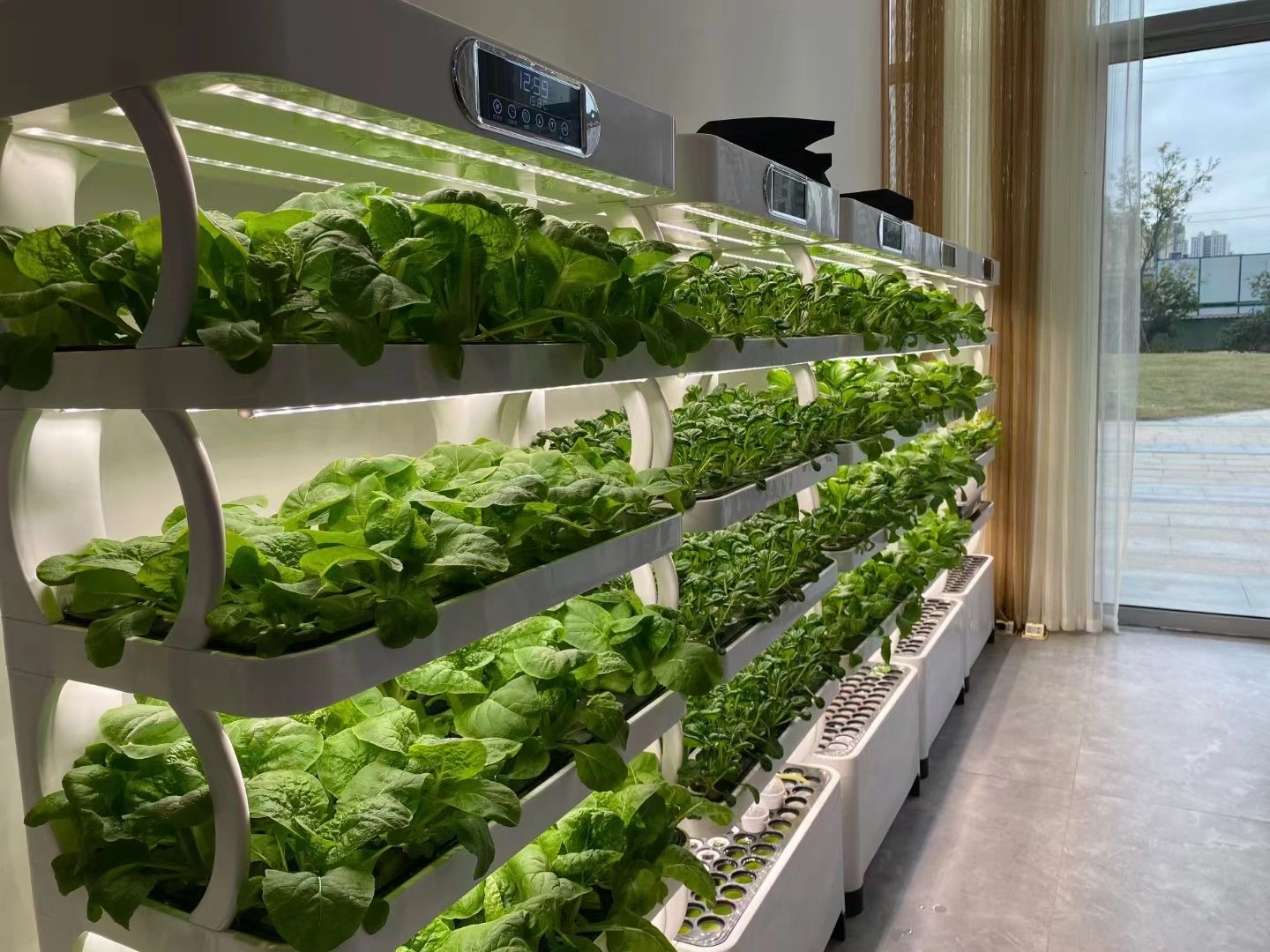
Household hydroponic Culture: Functions, Characteristics and Application Scenarios
What Is Household Soilless Culture?
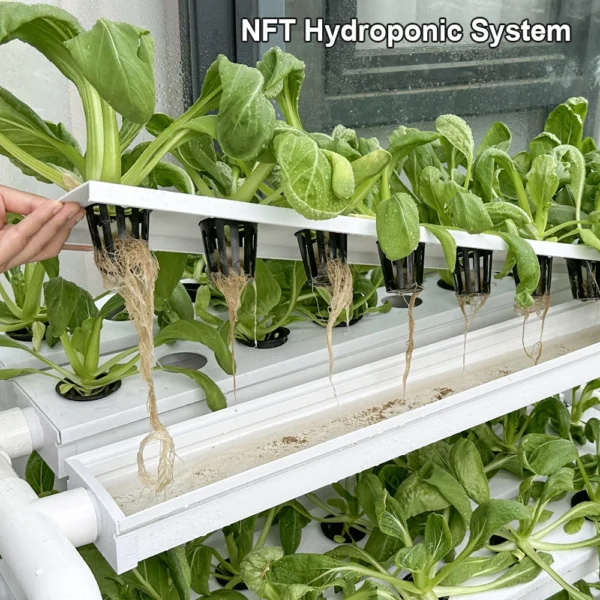
Household hydroponic culture is a modern home gardening method that grows vegetables without natural soil. Instead, plants are cultivated using nutrient solutions or solid substrates combined with nutrient solutions, providing crops with precise water, nutrients, oxygen and temperature control throughout the entire growth cycle.
Compared with traditional soil cultivation, household soilless culture allows vegetables to absorb nutrients more efficiently. The nutrient solution can be adjusted according to different growth stages, promoting healthy development, higher yields and superior quality. Vegetables grown through household soilless culture are clean, tender, pesticide-free and environmentally friendly, meeting the growing demand for safe and green food.
Functions of Household Hydroponic Culture
1. Safe and Healthy Home-Grown Vegetables
With increasing concerns about pesticide residues and hormone abuse in conventional agriculture, household soilless culture enables families to grow fresh, pollution-free vegetables at home, ensuring food safety and nutritional quality.
2. Efficient Use of Urban Space
Household hydroponic culture makes full use of idle urban spaces such as balconies, rooftops, windowsills and courtyards, transforming limited living areas into productive green zones.
3. Improve Urban Microclimate and Environment
Growing vegetables at home increases urban greenery, improves air quality, regulates temperature and humidity, and contributes to environmental protection and sustainable living.
4. Enhance Lifestyle and Gardening Enjoyment
Household hydroponic culture combines leisure, education and aesthetics, allowing urban residents to reconnect with nature, reduce stress and enjoy the pleasure of home gardening.
Key Characteristics of Household Soilless Culture
Clean and Hygienic
No organic fertilizers or soil are used. The environment is odorless, free of mosquitoes and flies, and avoids soil-borne diseases and underground pests.Lightweight and Easy to Operate
Substrates are light, containers are compact and movable, substrate replacement is convenient, and the overall operation is simple—ideal for beginners.Low Investment and High Efficiency
Facilities are simple, cost-effective and similar to household flower planting. Substrates require small quantities, are easy to disinfect, and can be reused.Environmentally Friendly and Sustainable
Waste nutrient solution can be recycled and reused, reducing water waste and environmental pollution.User-Friendly Nutrient Solutions
Most household soilless culture systems use universal nutrient solutions, making them easy for ordinary users to master and maintain.
Best Places for Household Soilless Culture
1. Balcony hydroponic Vegetable Growing
The balcony is one of the most popular locations for household soilless culture. Vegetable selection depends on balcony orientation, space size and light conditions.
South-facing balconies: Suitable for light- and heat-loving vegetables such as tomatoes, cucumbers and peppers.
Spring, autumn and winter: Ideal for leafy vegetables like pakchoi, celery and coriander.
Summer: Heat-tolerant vegetables such as amaranth and water spinach.
Northern regions: Summer planting is suitable; winter planting requires heating equipment.
2. Windowsill hydroponic Culture
Wide windowsills can be used for growing short, fast-growing vegetables to avoid blocking indoor light.
Recommended crops include leafy vegetables and sprouts such as pakchoi and radish sprouts.
3. Living Room Soilless Vegetable Planting
Corners, coffee tables or areas near floor-to-ceiling windows can be used for decorative edible plants.
Best for shade-tolerant leafy vegetables like celery and shepherd’s purse
Supplementary LED grow lights can be used
Combines edible value and ornamental appeal
4. Rooftop Soilless Vegetable Garden
Rooftops provide abundant sunlight and space, making them ideal for building a small home vegetable garden.
Southern regions: Year-round planting possible
Northern regions: Best for spring, summer and autumn
Supports a wide variety of vegetables with flexible layout and seasonal rotation
5. Courtyard Hydroponic Culture
Courtyards in bungalows or low-rise buildings are perfect for creating a functional and ornamental vegetable garden.
Plant selection depends on space size and sunlight exposure
Sun-loving vegetables for south-facing courtyards
Shade-tolerant vegetables for shaded areas
Avoid tall plants near windows to maintain indoor lighting
Why Choose Household Hydroponic Culture?
Household hydroponic culture is an ideal solution for modern urban families seeking safe food, efficient space utilization, environmental sustainability and a healthy lifestyle. With simple operation, low cost and flexible application scenarios, it is becoming an increasingly popular choice for home vegetable growing worldwide.
Related products:
Views: 6