

Soilless Cultivation Bases Scientific Planning and Layout

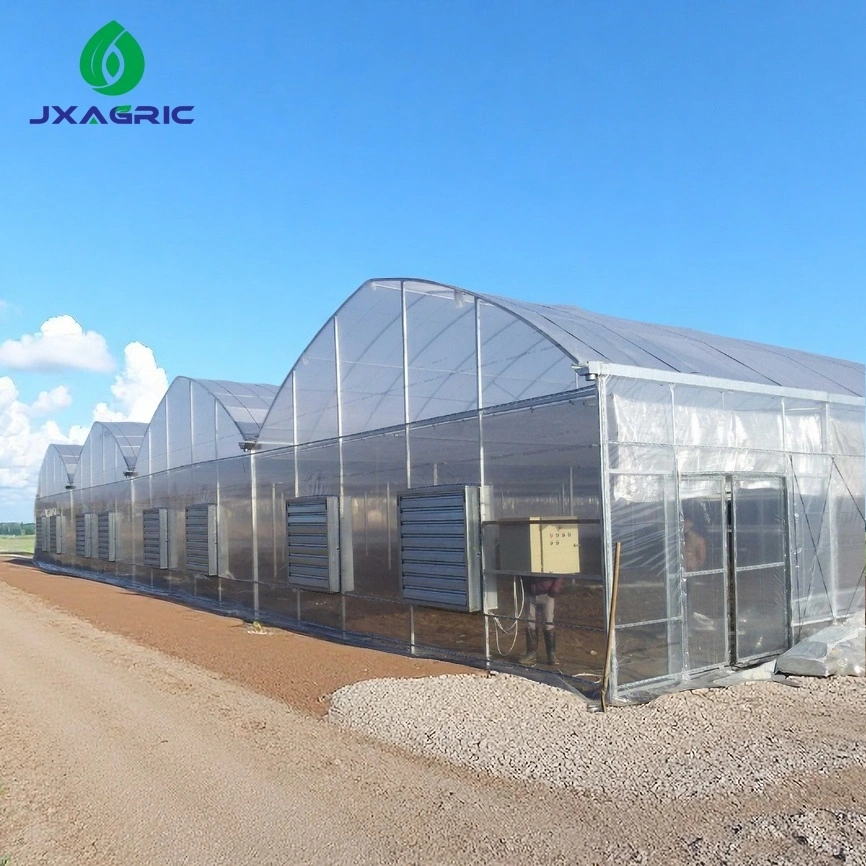
Soilless Cultivation Bases Scientific Planning and Layout
— Laying a Solid Foundation for Modern Facility Agriculture
With the rapid development of modern facility agriculture, Soilless Cultivation Bases have become an important carrier for promoting agricultural upgrading, improving product quality, and enhancing overall economic efficiency. Scientific planning and rational layout are key prerequisites for ensuring stable production, efficient management, and sustainable development.
The planning of modern facility agriculture involves multiple aspects, including site selection, production scale, business orientation, cultivation projects and methods, facility construction, product positioning and sales, capital investment, labor allocation, and cost–benefit analysis. Only through comprehensive planning that considers both current conditions and long-term development can a solid foundation be laid for subsequent production organization and economic returns.
Basic Conditions for Soilless Cultivation
To ensure the scientific construction and efficient operation of Soilless Cultivation Bases, the following basic conditions must be met:
1. Environmental Protection Facilities
Soilless cultivation is a typical form of facility agriculture and must rely on protected environments such as plastic greenhouses, solar greenhouses, or modern intelligent greenhouses to ensure stable and controllable growing conditions.
2. Suitable Climate and Seasonal Conditions
Although environmental control facilities are available, aligning production with suitable local climate and seasonal conditions helps reduce energy consumption and operational costs.
3. Complete Cultivation Systems
Each base should be equipped with qualified planting beds, nutrient solution storage tanks, nutrient solution supply and return pipelines, and control systems to ensure normal crop growth and precise regulation.
4. High-Quality Water Resources
Sufficient and high-quality water sources are essential, as water quality directly affects nutrient solution formulation, crop growth, and final product quality.
5. Stable Power Supply
Reliable electricity ensures the uninterrupted operation of nutrient circulation systems, environmental regulation equipment, and automated facilities within Soilless Cultivation Bases.
6. Professional Technical Personnel
The long-term and stable operation of modern cultivation facilities depends on professional technical personnel who are familiar with soilless cultivation technologies and standardized management practices.
Site Selection and Layout Principles
Economically developed regions and suburban areas of large and medium-sized cities are ideal locations for building Soilless Cultivation Bases, due to strong market demand, convenient logistics, and higher product value. With increasing consumer awareness of food safety and quality, pollution-free vegetables produced through soilless cultivation show broad market potential.
Areas with favorable natural conditions—such as flat terrain, convenient transportation, sufficient water resources, stable energy supply, and suitable climate—provide solid guarantees for the construction and operation of modern agricultural production bases. Regions supported by local governments, including agricultural high-tech parks and demonstration zones, further enhance project feasibility.
Scientific Selection of Production Projects
Project selection should be based on thorough market research and feasibility analysis. Production planning must align with market demand, financial capacity, technical conditions, and management levels.
In areas with limited capital or technical resources, Soilless Cultivation Bases can adopt small-scale substrate cultivation methods with simple structures and easy management to reduce investment risks.
Depending on different business objectives, cultivation projects can serve multiple functions, including solving soil continuous cropping obstacles, supporting ecological restaurants and eco-hotels, and developing tourism, sightseeing, and agricultural science education platforms.
Key Contents of Base Planning
Rational Determination of Base Area
The overall scale of Soilless Cultivation Bases should match investment capacity and management capability. Blind expansion may lead to insufficient capital, labor shortages, and management difficulties. Under normal conditions, a base area of 50–100 mu is recommended.
Division of Production Sub-Areas
To improve operational efficiency, production areas should be divided into multiple sub-districts, each consisting of 10–15 standard greenhouses (approximately 400 m² per greenhouse).
Construction of Cultivation Systems
Each production sub-district should be equipped with independent cultivation systems, generally serving 3–6 greenhouses per group, facilitating nutrient solution management and flexible production scheduling.
The cultivation system mainly includes planting beds, nutrient solution storage tanks, and nutrient solution supply and return pipelines to ensure efficient circulation and precise control.
Conclusion
Scientific planning and rational layout are the foundation for the successful construction and operation of Soilless Cultivation Bases. Through standardized design, systematic construction, and professional management, modern soilless cultivation plays a vital role in promoting facility agriculture, improving product quality, and achieving sustainable economic and social benefits.
Related products:
Views: 10