

Soilless Culture and Green Vegetable Production

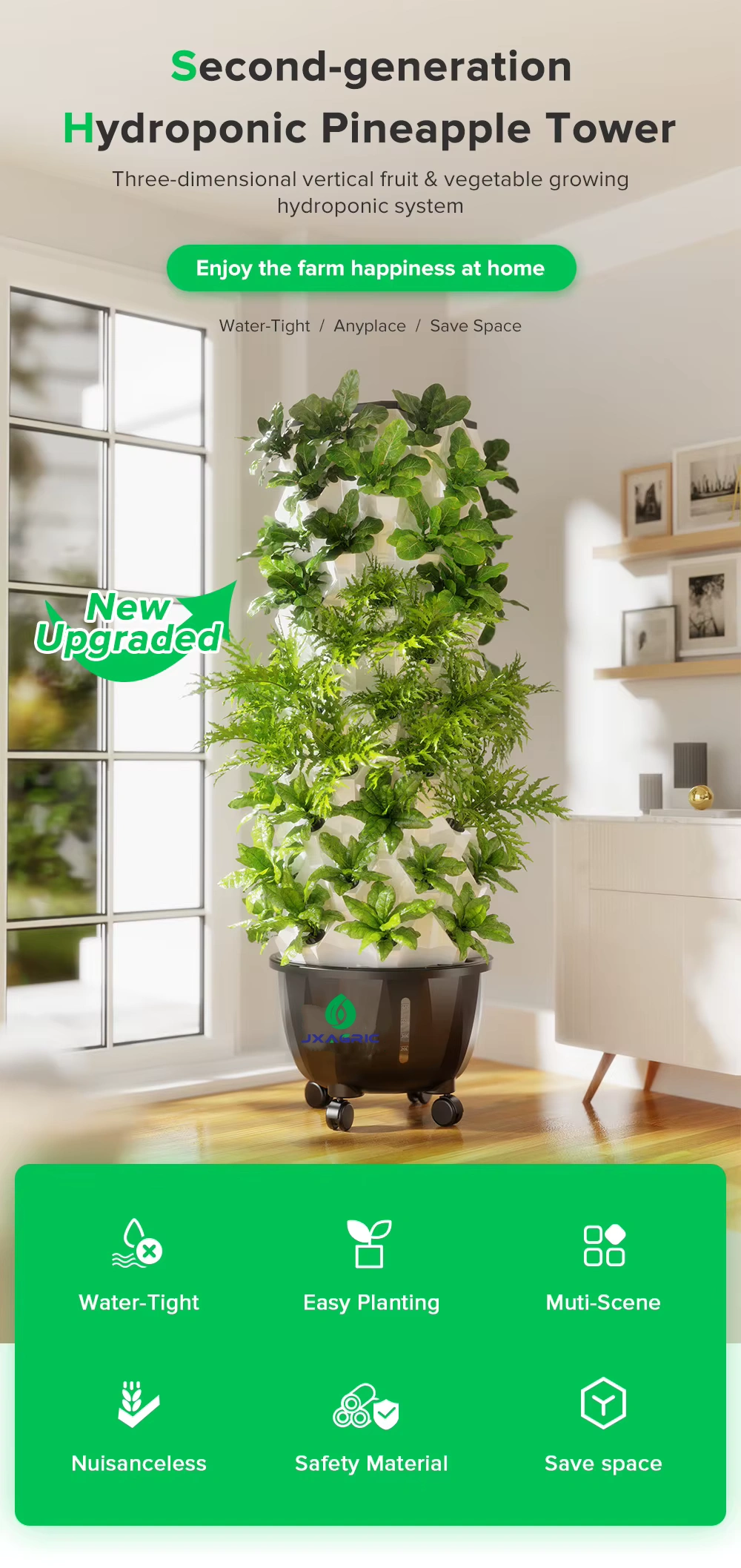
Soilless Culture and Green Vegetable Production
With the continuous advancement of agricultural industrialization, green vegetable production has become a key development direction in modern agriculture. As an advanced planting technology, soilless culture plays an increasingly important role in improving vegetable quality, safety, and sustainability.
To correctly apply soilless culture technology, it is essential to fully understand the concept and production standards of green food.
The Concept and Production Standards of Green Food(Soilless culture)
Authoritative Certification Body for Green Food
The China Green Food Development Center (CGFDC) is the national authoritative institution responsible for organizing, guiding, and managing the development of green food in China.
The Center began preparation in 1990 and was formally established in November 1992. It operates under the Ministry of Agriculture and Rural Affairs of the People’s Republic of China.
Its fundamental mission includes:
Promoting pollution-free, safe, high-quality, and nutritious food
Protecting and improving agricultural ecological environments
Enhancing the quality of agricultural products and processed foods
Supporting sustainable economic and social development
Main responsibilities include:
Formulating green food development policies, regulations, and plans
Organizing the establishment of green food standards
Managing green food labels and certification
Coordinating environmental and product quality monitoring
Promoting scientific research, technology extension, training, publicity, and international cooperation
The Label Management Office under the Center is specifically responsible for handling green food label applications, label supervision, quality assurance system construction, and technical consulting services.
Definition of Green Food
Green food refers to food products that are pollution-free, safe, high-quality, and nutritious. According to CGFDC regulations, green food is classified into two grades:
AA Grade Green Food
Produced and processed in certified ecological environments without the use of any chemically synthesized substances. Products must comply with strict production, quality, and packaging standards and pass official certification.A Grade Green Food
Produced under certified environmental conditions, allowing limited and regulated use of certain chemically synthesized substances while still meeting strict quality and safety standards. ((Soilless culture)
Green Food Standard System
The green food standard system emphasizes whole-process quality control and consists of six major components:
1. Production Area Environmental Quality Standards
NY/T 391–2013: Green Food – Production Area Environmental Quality
NY/T 1054–2013: Environmental Survey, Monitoring, and Evaluation Norms
These standards ensure that green food originates from areas with good air, water, and soil quality.
2. Production Technology Standards
The core of the green food standard system, including:
Green food production material use guidelines
Green food production technical operating procedures
Key regulations include:
NY/T 393–2020: Pesticide Use Guidelines
NY/T 394–2013: Fertilizer Use Guidelines
NY/T 392–2013: Food Additive Use Guidelines
These guidelines clearly define allowed, restricted, and prohibited production materials.
3. Product Standards
Specify appearance quality, nutritional quality, and hygienic quality.
Green food standards impose stricter limits on pesticide residues and heavy metals than general national food standards.
4. Packaging and Labeling Standards
Packaging must ensure:
Food safety and environmental protection
Resource and energy conservation
Recyclability and degradability
All labels must comply with the China Green Food Trademark and Logo Design and Use Specification Manual.
5. Storage and Transportation Standards
Regulate storage conditions, transportation methods, and timelines to prevent contamination and quality degradation.
6. Supporting Certification Standards
Include green food production materials certification and green food production base certification.
Application of Soilless Culture in Green Food Production
Traditional soilless culture systems cannot directly produce certified green food. Only organic ecological soilless culture can meet the requirements for A Grade or AA Grade green food.
According to green food fertilizer use guidelines:
Organic fertilizers and bio-organic fertilizers are recommended
Limited mineral fertilizers (e.g., potassium sulfate, phosphate fertilizers) are allowed
Nitrate nitrogen fertilizers are strictly prohibited
However, in China, over 90% of nitrogen sources used in conventional nutrient solutions are nitrate-based, making traditional soilless culture incompatible with green food certification.
Why Nitrate Nitrogen Is Restricted
Vegetables contribute approximately 81.2% of total dietary nitrate intake. Based on nitrate accumulation sensitivity, vegetables are classified as:
Highly sensitive: leafy vegetables (celery, Chinese cabbage)
Moderately sensitive: root vegetables
Insensitive: fruit vegetables and flower vegetables (tomato, broccoli)
National monitoring data shows that more than 80% of vegetables exceed nitrate safety limits. Under certain conditions, nitrates convert into nitrites, which can:
Cause human hypoxia
React with amines to form carcinogenic nitrosamines
Increase the risk of gastric and esophageal cancers
As a result, nitrate reduction has become a major food safety concern.
Impact of Fertilization on Nitrate Accumulation
Experimental studies on celery and lettuce show clear differences:
Celery nitrate content:
No fertilization: 420 mg/kg
Inorganic fertilizer: 744 mg/kg
Organic fertilizer: 366 mg/kg
Lettuce nitrate content:
No fertilization: 1480 mg/kg
Inorganic fertilizer: 655 mg/kg
Organic fertilizer: 1333 mg/kg
The results indicate that inorganic fertilizers significantly increase nitrate accumulation, while organic fertilizers help reduce nitrate levels.
Organic Fertilizer Quality Requirements
Organic fertilizers used in green food production must meet strict safety standards, including:
Heavy metal limits
Pathogen and parasite control (roundworm eggs, coliform bacteria)
High-temperature composting and disinfection can:
Reduce harmful substances
Degrade pesticide residues
Improve fertilizer safety and quality
Nevertheless, careful selection of organic fertilizer sources remains essential.
Effective Measures to Reduce Nitrate Content
Key strategies include:
Replacing nitrate nitrogen with ammonium or amide nitrogen
Using mixed nitrogen sources to balance yield and quality
Stopping nitrogen supply before harvest
Replacing inorganic nutrient solutions with organic fertilizers
Research shows that optimized nitrogen combinations can significantly reduce nitrate content without affecting yield, making this a promising direction for sustainable soilless cultivation.
Related products:
Views: 2