

Vegetable Hydroponics Technology: A Complete Guide to Modern Soilless Vegetable Farming

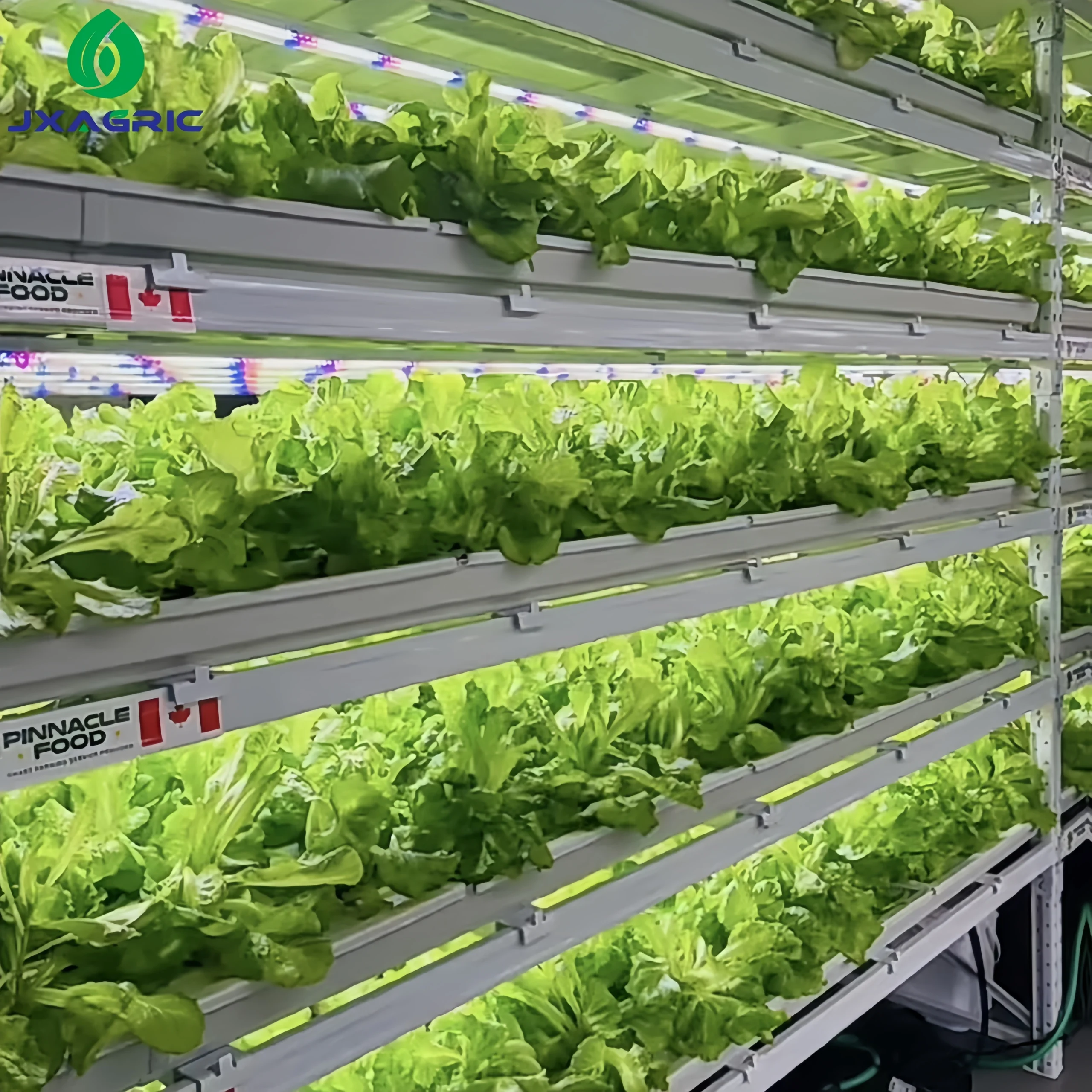
Vegetable Hydroponics Technology: A Complete Guide to Modern Soilless Vegetable Farming
Vegetable Hydroponics Technology has become one of the fastest-growing trends in modern agriculture. With rising demand for clean, efficient, and high-yield vegetable production, more growers are shifting from traditional soil-based farming to advanced soilless cultivation systems.
This blog will provide a complete overview of Vegetable Hydroponics Technology, focusing on the widely used Nutrient Film Technique (NFT), its advantages and challenges, and practical management tips for commercial farming.
What Is Vegetable Hydroponics Technology?
Vegetable Hydroponics Technology refers to a method of growing vegetables without soil. Instead, plant roots directly absorb water, nutrients, and oxygen from a circulating nutrient solution. This approach delivers precise nutrition, reduces disease pressure, and significantly increases yield compared with traditional soil cultivation.
Different hydroponic systems exist, but NFT is one of the most popular choices for leafy greens and other fast-growing crops due to its efficiency and simplicity.
1. Understanding the Nutrient Film Technique (NFT)
NFT is a core component of Vegetable Hydroponics Technology. In this system, vegetables grow in a shallow layer of flowing nutrient solution — usually only 0.5–2 cm deep. Part of the root system stays submerged in the nutrient solution, while another part remains exposed to oxygen-rich air inside the channel.
How NFT Works
Nutrient solution is pumped from a storage tank.
It flows through the growing channel past the plant roots.
The solution returns to the tank and is reused continuously.
This creates a highly efficient cycle that supports fast and healthy vegetable growth.
-1.webp)
Advantages of NFT in Vegetable Hydroponics Technology
Excellent oxygen supply
Roots have direct access to both nutrient solution and air, improving plant metabolism and growth rate.Lightweight structure and low investment
Channels made from plastic film or corrugated materials are easy to install, dismantle, and maintain.Water and nutrient efficiency
The closed-loop system minimizes waste, making Vegetable Hydroponics Technology both eco-friendly and cost-effective.
Disadvantages and Challenges of NFT
Although NFT is popular, growers must understand its limitations:
Unstable root-zone environment
Small fluctuations in nutrient concentration or temperature can affect plant performance.Higher risk of disease spread
Because the nutrient solution recirculates, root diseases can quickly spread throughout the system.Dependence on electricity
A shallow nutrient layer means plants can dry out quickly if power is lost.Root mat formation
Large-root crops may develop thick root mats that block water flow, causing uneven nutrient distribution.
2. Key Management Techniques for NFT Hydroponics
To fully benefit from Vegetable Hydroponics Technology, growers should follow essential management practices.
2.1 Preparing the Growing Channels
Before each crop cycle:
New channels: Ensure the bottom is smooth, clean, and leak-free.
Reused channels: Clean and disinfect thoroughly to prevent disease spread.
Good preparation ensures a stable environment for the roots from day one.
2.2 Seedling Raising and Transplanting
Different channel designs require different transplanting methods.
Large-Plant Channels
Triangular channels made from plastic film require seedlings to be fixed with substrate blocks or porous materials. Non-woven fabric can be added at the bottom to help regulate water distribution.
Small-Plant Channels
Seedlings grown in rockwool, sponge, or perlite can be placed directly into transplant holes. The block should be just large enough to prevent the seedling from falling.
3. Nutrient Solution Management
Proper nutrient management is the core of successful hydroponic farming.
3.1 Choosing the Right Formula
Because the nutrient layer in NFT is thin, nutrient concentration changes quickly. A stable formula helps ensure consistent growth across all plants in a channel.
3.2 Continuous vs. Intermittent Solution Supply
Continuous Supply
Nutrient solution flows 24 hours a day.
Suitable before root mats form.
Common flow rate: 2–4 L/min.
Intermittent Supply
After root mats appear, intermittent flow helps improve oxygen levels around the roots.
Recommendations:
Stop intervals should be at least 35 minutes.
Avoid overly long dry periods to prevent plant stress.
3.3 Managing Nutrient Solution Temperature
Temperature fluctuations are common in NFT systems, especially in plastic film channels. Uneven temperatures between inlet and outlet may cause inconsistent plant growth.
How to Control Temperature
Avoid excessively long channels.
Ensure smooth nutrient circulation.
Monitor temperature regularly, especially in summer and winter.
Conclusion: Why Vegetable Hydroponics Technology Matters
From reducing water waste to increasing yield and improving food safety, Vegetable Hydroponics Technology is transforming modern vegetable production. NFT, as one of the most efficient systems, remains a top choice for commercial growers aiming to build scalable, clean, and sustainable farms.
Whether you are building a new hydroponic greenhouse or upgrading an existing one, mastering Vegetable Hydroponics Technology will give you a clear advantage in the fast-growing global market for fresh and high-quality vegetables.
Views: 4